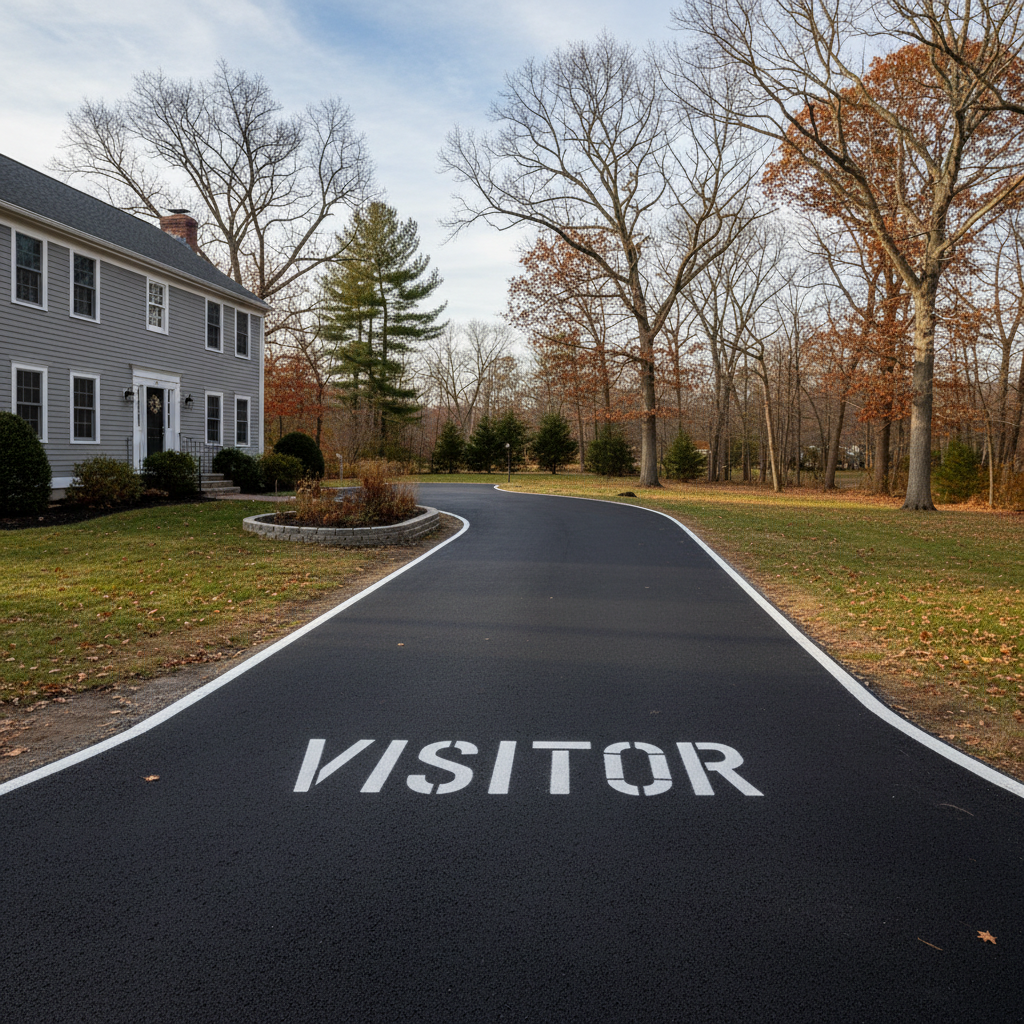
So, you've got a brand-new asphalt driveway, maybe? Or perhaps you're just looking to spruce up an older one with some crisp new lines for parking spots or even a basketball hoop. Whatever your reason, if you're thinking about asphalt striping, you can't just call someone up any old day and expect perfect results. The weather, especially here in Taunton, plays a huge role in how well those lines cure and, honestly, how long they'll actually last.
Getting the Timing Right for Your Striping Project
When's the absolute best time to get striping done? Generally, you're really looking for warm, dry weather. Around here, that usually means late spring, summer, and early fall. The paint needs specific conditions to stick properly and cure completely. If it's too cold, too humid, or if rain is on the way, well, you're pretty much just throwing money away, aren't you?
Think about it: you wouldn't paint your house in a downpour, right? Same goes for your driveway. The paint needs to bond with the asphalt, and moisture or extreme cold can totally mess with that process. For new asphalt, there's another thing: you've got to let it cure for a good 30 to 90 days before applying any striping. That fresh asphalt needs to release its oils and other volatile stuff first. If it doesn't, the paint simply won't stick, or it'll peel off way too soon. We always check the asphalt's age before we even think about striping, just to be sure.
Weather Conditions That Really Matter for Striping
So, what exactly are we looking for when we schedule striping jobs? Let's break it down:
- Temperature: This is a big one, probably the biggest. Ideally, we want temperatures to stay consistently above 50°F (that's about 10°C) for at least 24 to 48 hours after we apply the paint. Colder temps slow down the drying and curing process significantly, making the paint vulnerable to traffic and moisture. If it dips too low overnight, even if it's warm during the day, that can cause real problems.
- Humidity: High humidity means there's a lot of moisture hanging in the air. This makes water-based paints dry much slower, which increases the risk of smudging or track marks before they're fully cured. Low humidity? That's your friend when it comes to striping.
- Rain and Dew: This one's a no-brainer. You just can't stripe on wet asphalt, and you can't have rain or heavy dew immediately after application. The surface has to be bone dry before we start, and it needs to stay dry for a good while after the paint goes down. We're always glued to the forecast for at least 24 hours out.
- Wind: While not quite as critical as temperature or moisture, strong winds can make paint dry too quickly on the surface. That can lead to a dry skin on top but wet paint underneath. It can also blow debris onto wet paint, which, let's be honest, isn't a good look for anyone.
Here in Taunton, especially with those unpredictable late spring showers or early fall chills, we're always keeping a close eye on the forecast. We've seen plenty of driveways in neighborhoods like Oakland and East Taunton that needed re-striping way too soon because someone rushed the job in less-than-ideal conditions. What a waste!
Protecting Your Striping Investment All Year Round
Once those lines are down and cured, you want them to last, right? Here's how you can help protect your investment:
- Keep it Clean: Regular sweeping or blowing off leaves and other debris prevents abrasive materials from wearing down the paint over time.
- Avoid Harsh Chemicals: Be careful with de-icers or strong cleaning agents. Some chemicals can degrade the paint and even the asphalt itself. Stick to asphalt-friendly options, please.
- Sealcoating: This is probably the best thing you can do for both your asphalt and your striping. A good sealcoat every few years not only protects the asphalt from UV rays, water, and oil, but it also helps preserve the striping. We can re-stripe right over a fresh sealcoat, giving you a completely refreshed look. Just like with striping, sealcoating has its own weather requirements, so we're always planning those jobs carefully.
- Minimize Heavy Traffic (at first): For the first few days after striping, try to keep heavy vehicles off the fresh lines if you can. Give them every chance to fully harden.
At Fortune Asphalt Taunton, we don't just lay down lines; we make sure they're going to stick around. We'll always talk you through the best timing for your specific project and make sure the conditions are just right before we even think about starting. It's all about doing the job once and doing it right, so you don't have to worry about faded, peeling lines a few months down the road. Nobody wants that.